STACO Meets with Indonesia’s National Zakat Board (BAZNAS) to Forge a Strategic Partnership for Global Humanitarian Projects
Jakarta, Indonesia
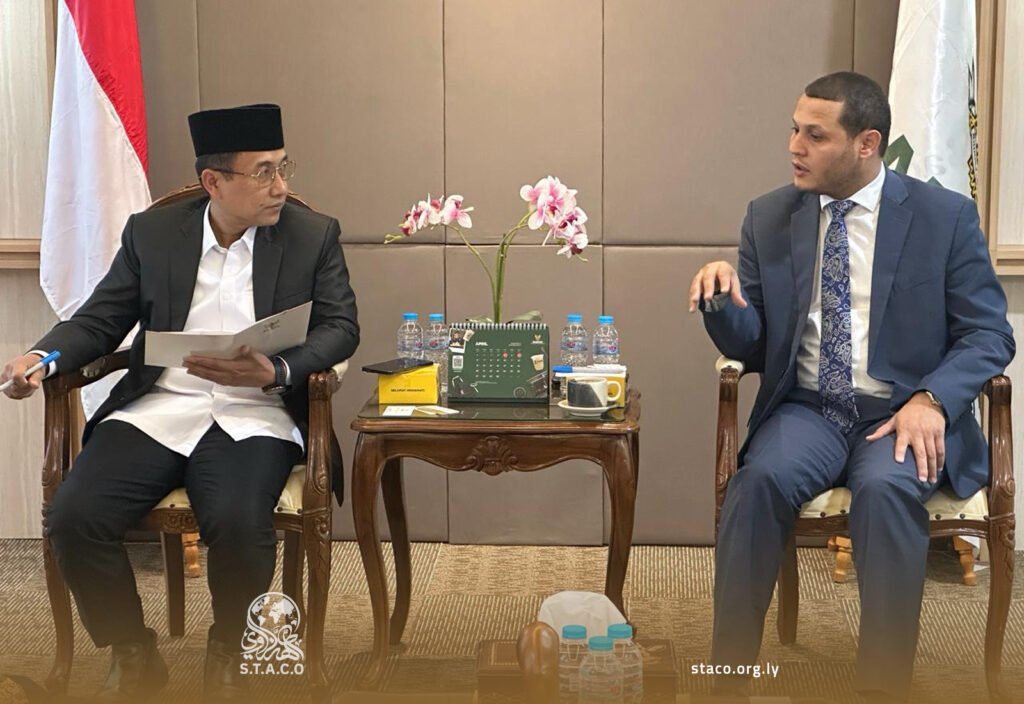
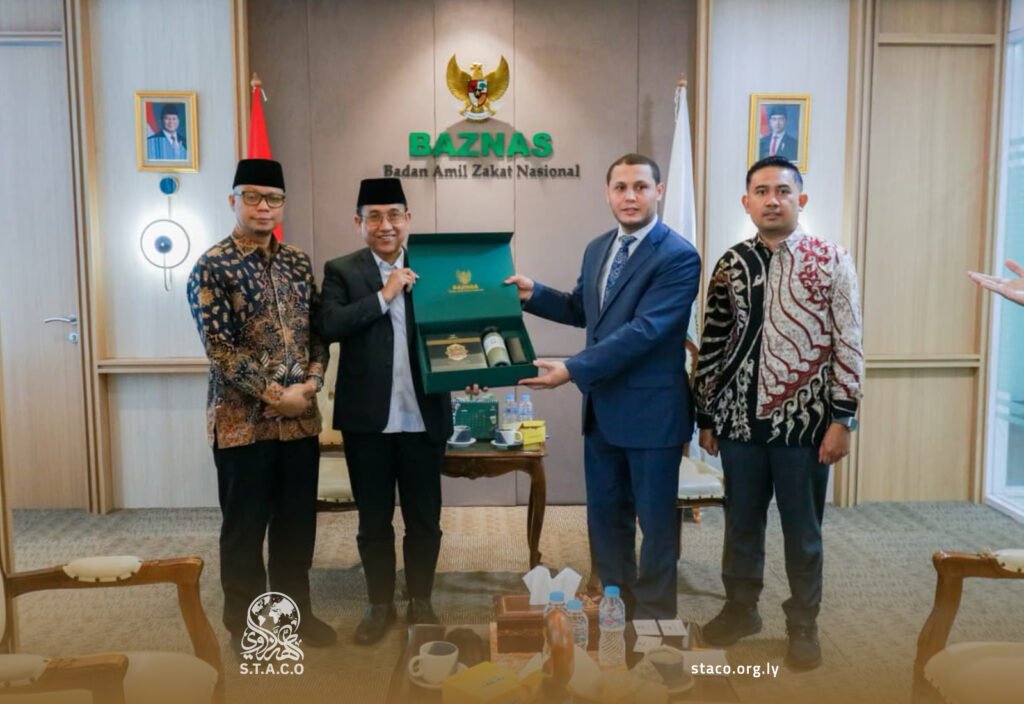
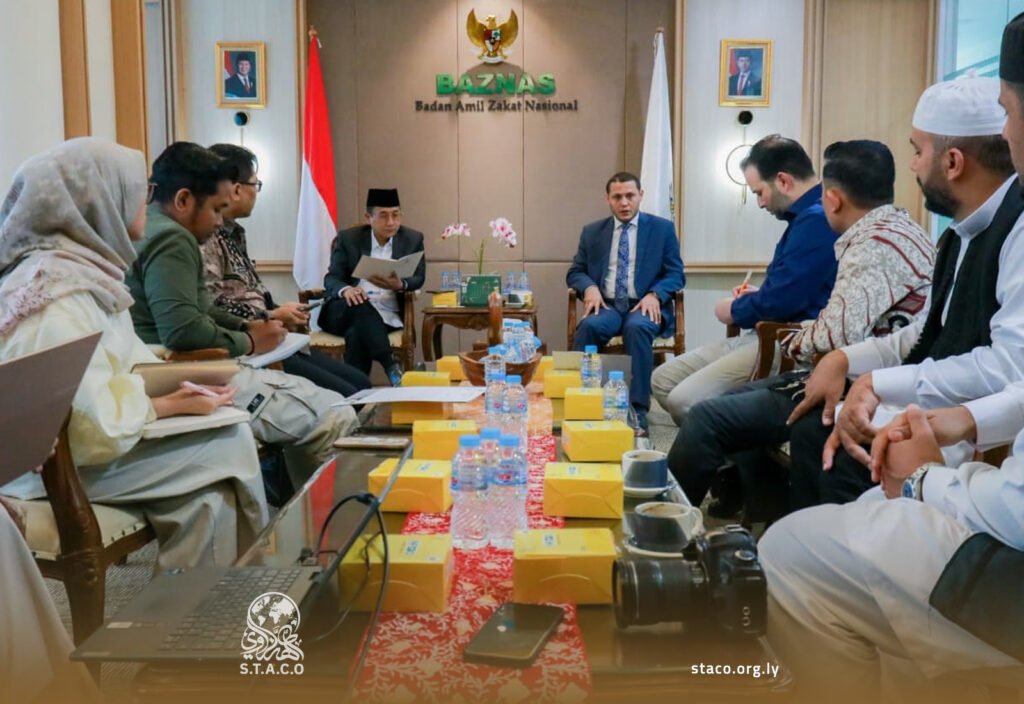
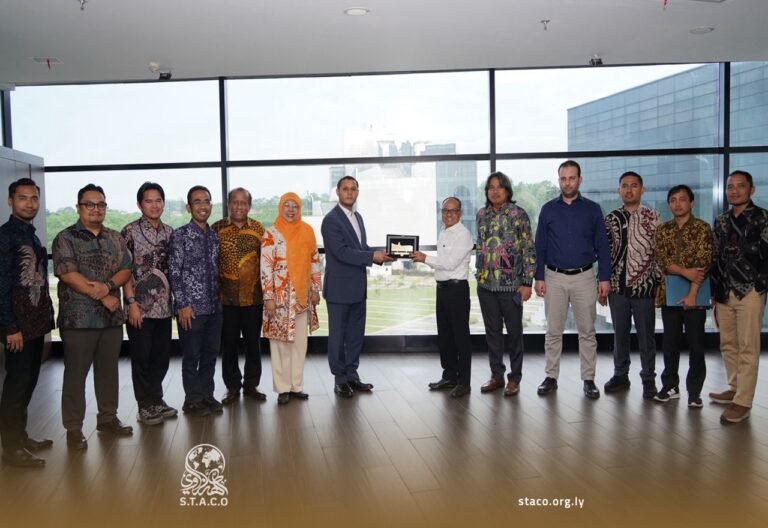
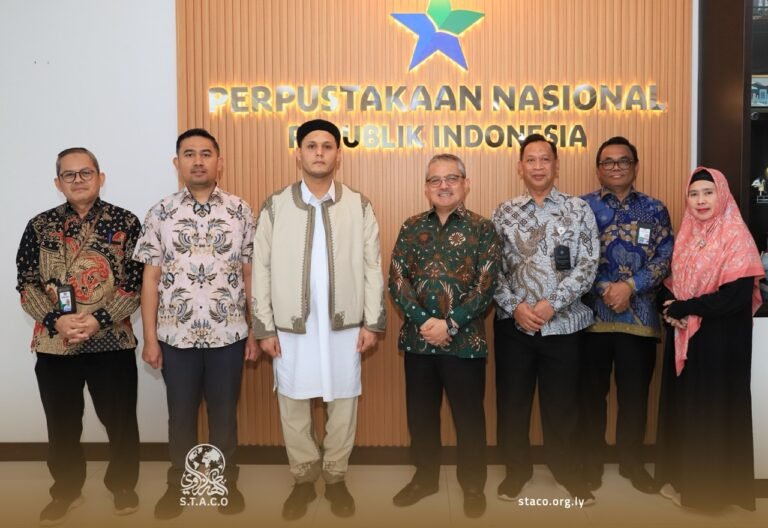
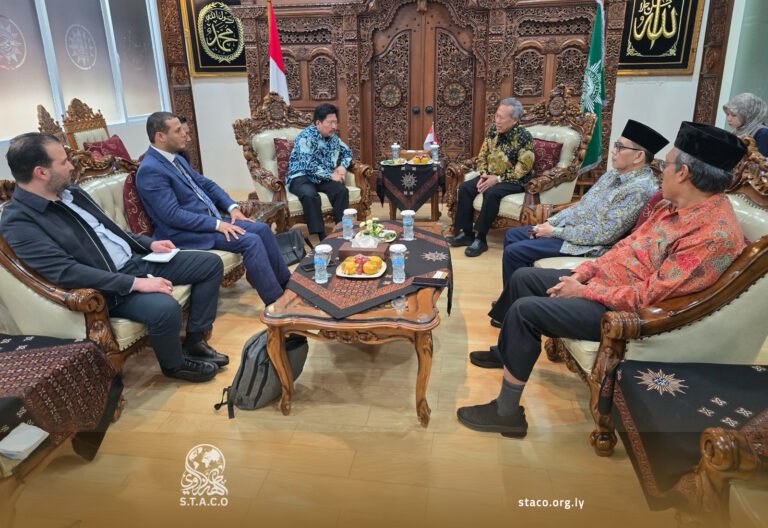
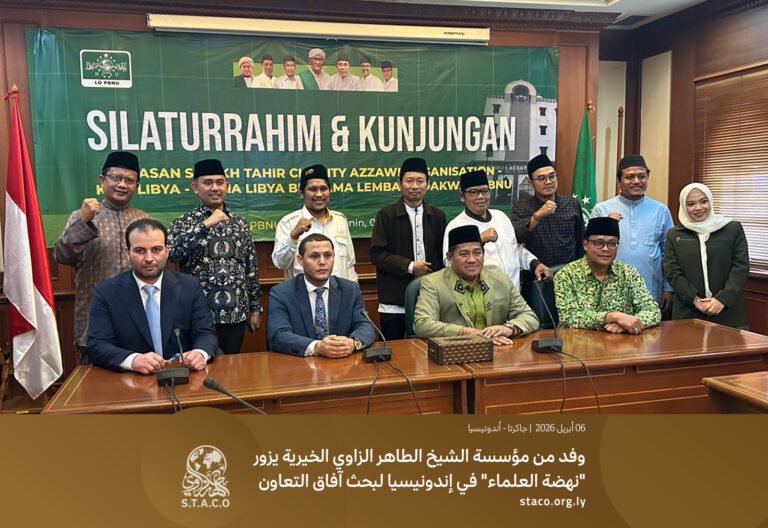
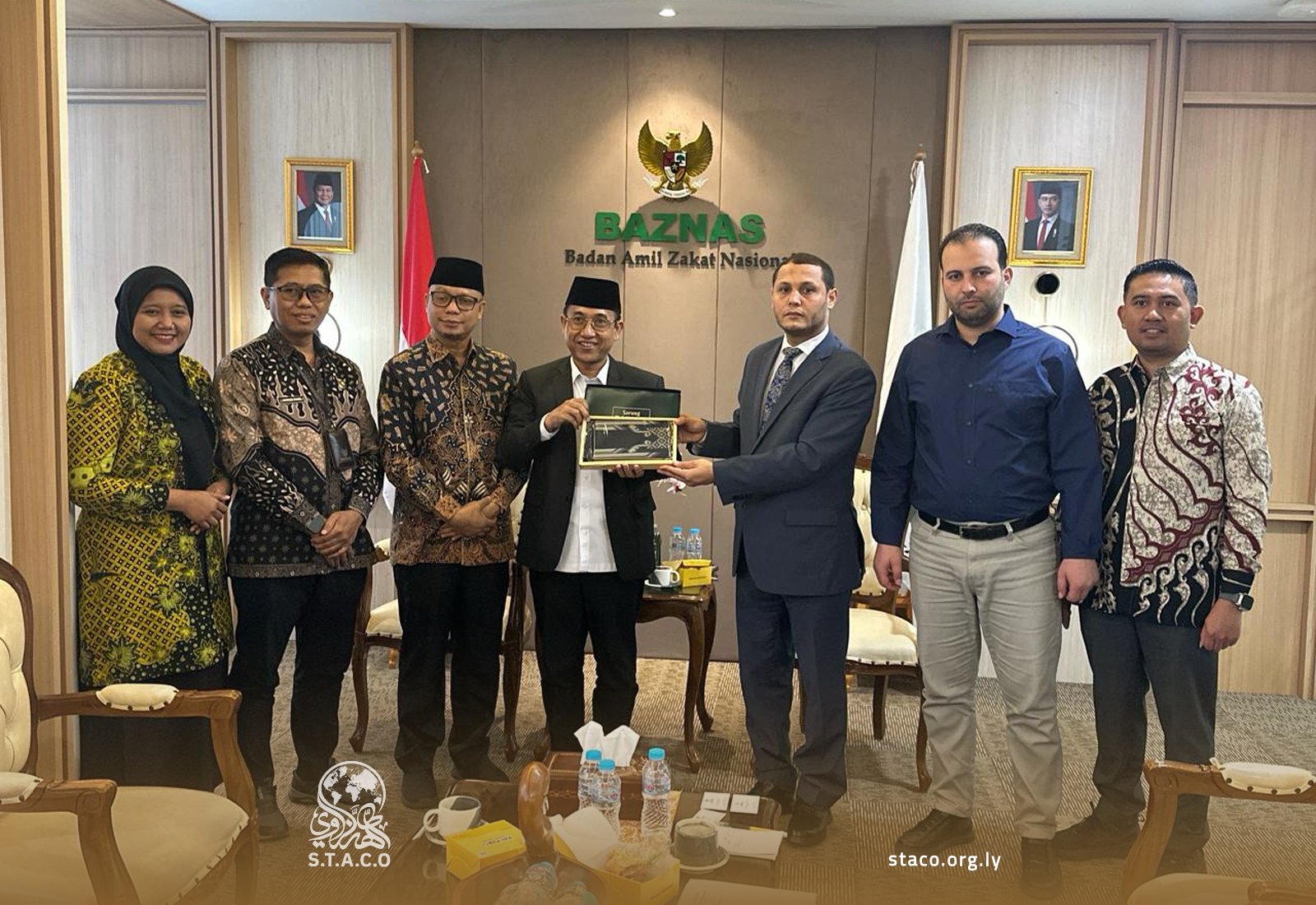
As part of its ongoing international engagements to bolster humanitarian action and expand its network of effective partnerships, the Sheikh Tahir Al-Zawi Charity Organization (STACO) held an important meeting with the leadership of the National Zakat Board (BAZNAS) in the Indonesian capital, Jakarta.
Exchanging Expertise and Integrating Efforts
The meeting focused on exploring horizons for mutual cooperation and the exchange of expertise and visions in the fields of relief and development. During the session, Eng. Salem Ramadan, Chairman of the Board of Directors of STACO, praised the advanced level of development and organization within the Indonesian humanitarian and charitable sector. He expressed the organization’s keen interest in benefiting from Indonesia’s accumulated expertise and pioneering experiences, emphasizing that transferring such successful practices will effectively contribute to enhancing STACO’s own humanitarian mechanisms.
Both parties reviewed their respective experiences in project management and resource development, with a particular focus on best practices to ensure aid reaches those in need while achieving the highest levels of sustainability and efficiency in institutional charitable work.
A Strategic Partnership Beyond Borders
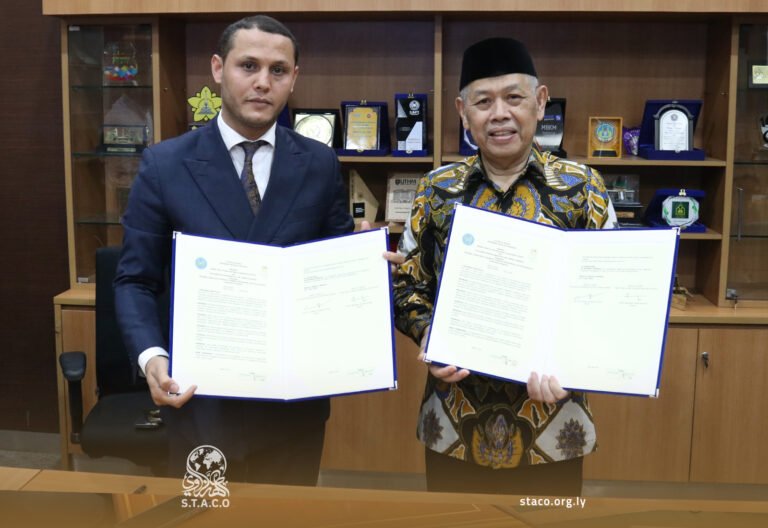
Culminating the meeting and the alignment of their visions, both parties agreed to establish a strategic partnership aimed at unifying efforts and working together to implement a package of joint humanitarian projects. The fruits of this partnership will not be limited to supporting relief and development programs within Libya; rather, they will extend to include coordinated joint efforts to execute humanitarian projects and initiatives outside of Libya, responding to the growing needs of affected communities on an international scale.
This step reflects STACO’s commitment to building strong alliances with major humanitarian and donor institutions in the Islamic world. Such collaborations enhance operational capabilities and widen the scope of relief interventions, ensuring a swift and effective humanitarian response that serves the most vulnerable and marginalized populations.